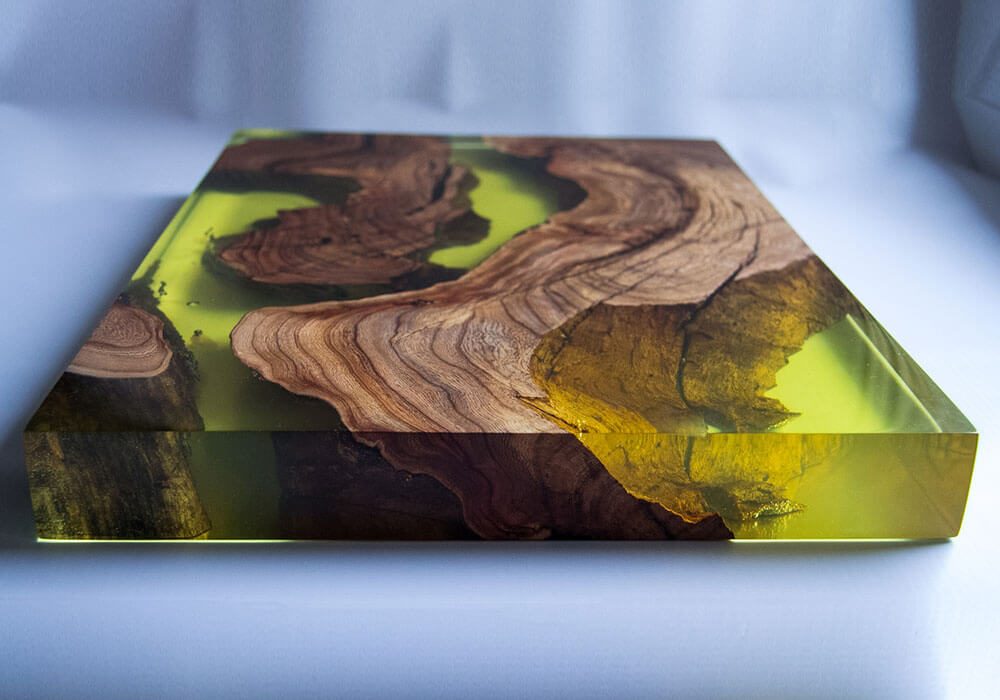
Resin export from Iran to the world

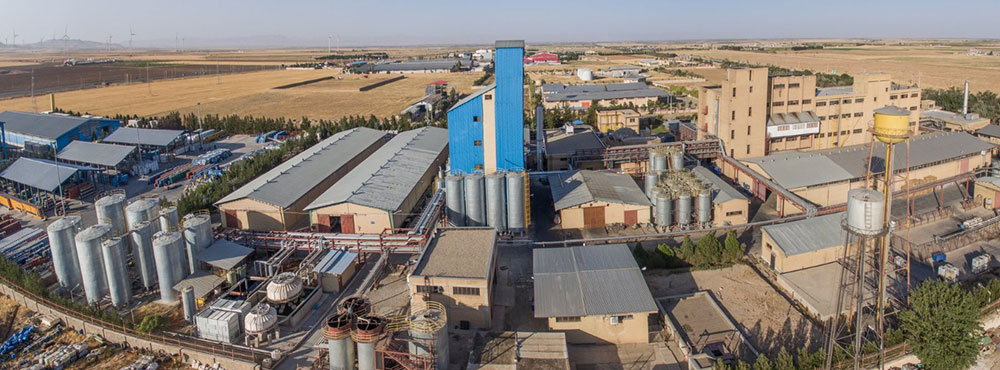
By having an R&D unit equipped with the latest devices and technology in the world, as well as by employing expert experts, Iran has taken a big step towards meeting the needs of factories and various industries according to the latest formulations and standards of the world.

The main distinctions of exporters in the resin industry

Exporters in the resin industry, proud to produce more than 130 different types of industrial resins, including phenolic, alkyd, epoxy and unsaturated polyester resins, serving various industries and factories, including casting and molding, paint and coating industries industrial, composite, artificial stone, wood, etc.


Three decades of trust in the expert force has made the exporters in the production of resins needed by the industry, in addition to meeting the needs of the domestic industry, target global markets including the Persian Gulf, Central Asian countries and African countries and for several years to The title of resin export sample unit should be introduced.

Attention to quality

The importance of product quality in exporters

Increasing customer satisfaction

The concern of meeting customer expectations with the products and services offered

Compliance with consumer rights

Ensuring customers in terms of the quality of the products and services offered

Compliance with national standards in production

Compliance with the requirements defined by the National Standards Organization

Enter your mobile number

Registration of resin requests from saadiran

All kinds of export resins

Sadiran is one of the first resin producing units in Iran to obtain the ISO 9001:2015 quality management standard certificate by producing high quality resins and continuing to maintain the superior quality of its products. Among the types of resin we export are:

Alkyd resin

Alkyd resin is the result of the esterification reaction of a polyol, a polyacid and a monovalent fatty acid. In fact, alkyd resin is a polyester that contains monovalent fatty acid in its structure.

Unsaturated polyester resin

Unsaturated polyester resins are obtained from the reaction of saturated and unsaturated diacids with dialcohols. These resins can be used in various processes including manual layering, resin spraying, casting, pultrusion, SMC and BMC.

Phenolic resin

Phenolic resins are produced from the reaction of phenol and formaldehyde and are classified into two groups, Resol and Novalak, based on the molar ratio of raw materials and the type of catalyst.

Vinyl ester resin

Thermoset vinyl ester resin is the result of the reaction of epoxy resin with ethylenically unsaturated carboxylic acids, which on the one hand has the high mechanical properties of epoxy resins and on the other hand the good chemical properties of unsaturated polyester resins.

Solid epoxy resin

Epoxy resins, which are often obtained from the reaction between epichlorohydrin and bisphenol A, change from a liquid with low viscosity to a liquid with high viscosity and finally to a solid as the molecular weight increases.

Amino resin

Amino resins are prepared from the reaction of formaldehyde with a compound containing amino groups. These resins are used to make furnace paints along with non-air-drying alkyds, for curing other resins.

Effervescent resin

Furani resins are urea-formaldehyde-based resins modified by furfuryl alcohol. These resins have various uses in casting industries due to their thermal stability and high resistance to ignition.

bakelite

Bakelite molding powder is produced from the combination of phenolic resin (Novalak) and additives such as carbon black, graphite and other fillers.

Fatty acid

A carboxylic acid that has a long and linear aliphatic chain. It is a pale yellow substance that is obtained during the process of hydrolysis of fats and oils of plant seeds and separation of glycerol.

Resin export request

To register resin export request, enter your mobile number and we will contact you as soon as possible.

rezin112.png

Frequently Asked Questions

In Iran, what types of resins constitute the largest amount of exports?

The resins of Iranian chemical products usually include polyester, phenolic, epoxy, and polyurethane resins.

The main recipients of resins exported from Iran are generally Asian countries such as China, India, and South Korea. European countries such as Turkey and Germany are also important markets for Iranian resins.

Insulation industry, marine industry, raw materials for paint industry, automotive industry, paint and coating, casting, composite, wood industry, cooling systems, resistant products, abrasives, brake pads, gas meter, electronics industry

To transport resins to different countries, methods such as shipping in sea containers, using cloud or road ways, and shipping by rail can be used.

In the export of resin from Iran, quality and technical standards should generally be observed. Standards such as ISO 9001 for quality control and national or international industry standards may be required.

Depending on the type of application, additives such as fillers, stabilizers, dyes or reinforcements may be added to Iranian resins to meet the characteristics required by exporters.

Saadiran, the largest resin exporter

If you are looking for a reliable source for importing resin, Sadiran is one of the largest and first resin producers in Iran, which has been able to have a large share in the resin export market with the high quality of its products. Request the import of resin from the exporters through the following communication channels.

Call for advice

+989137897802

Resin import request