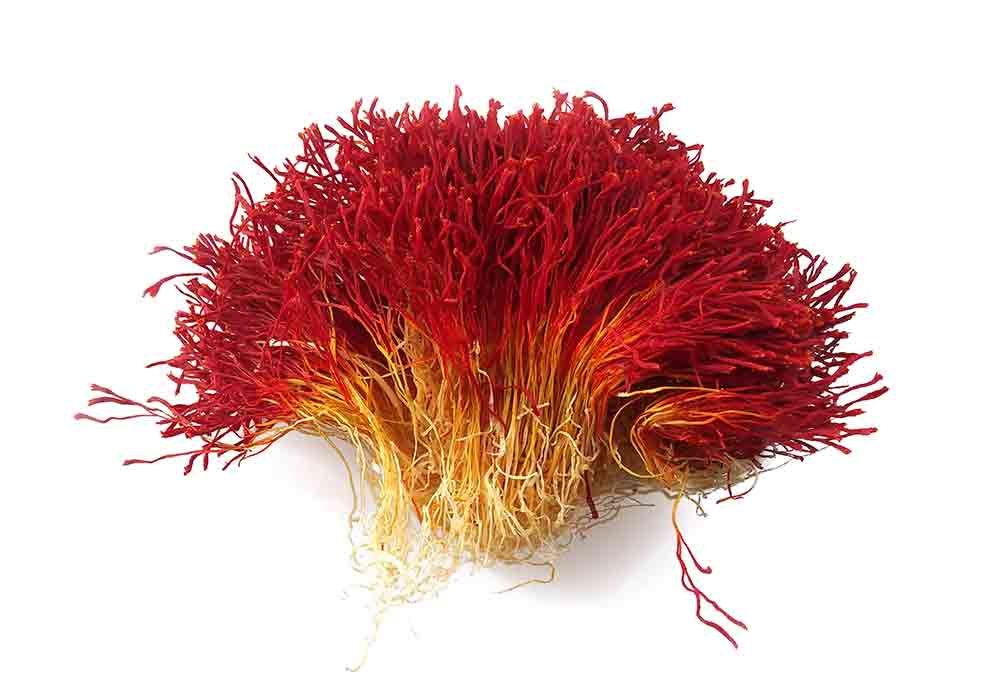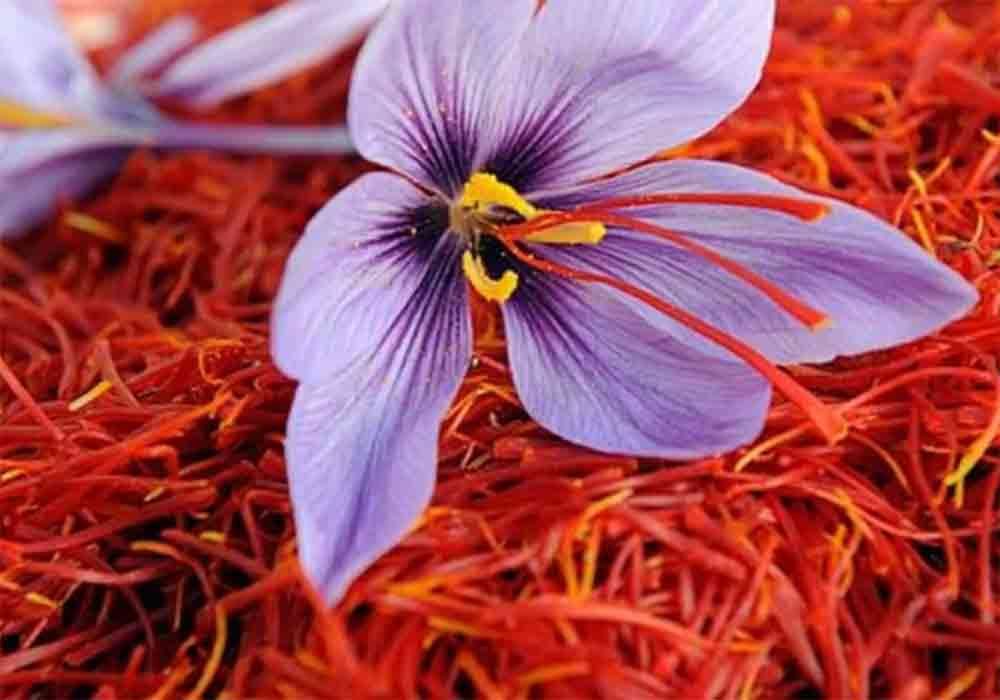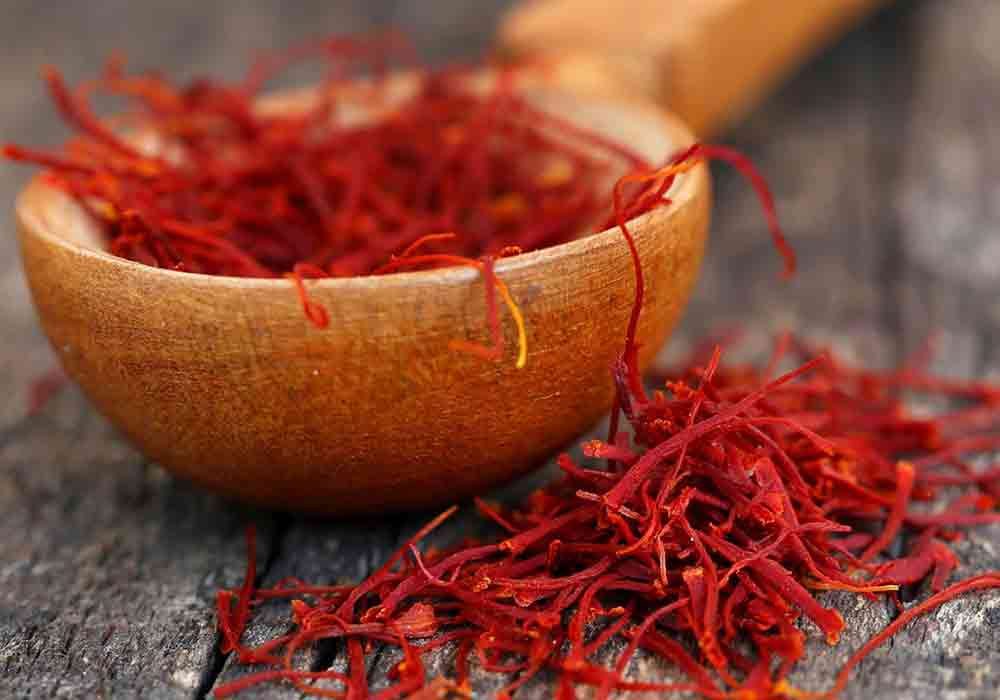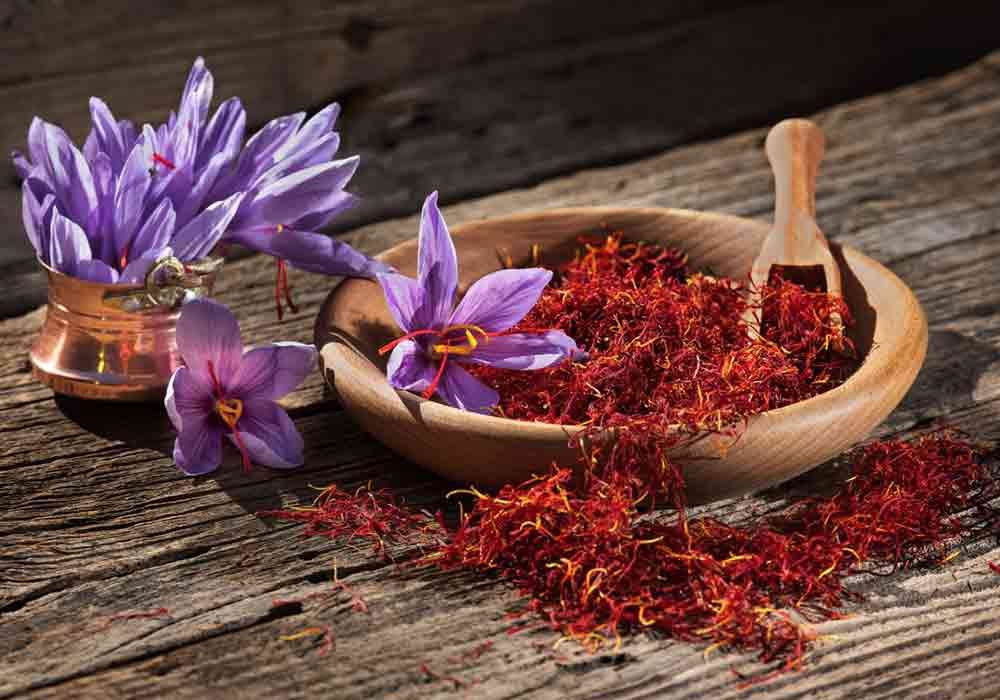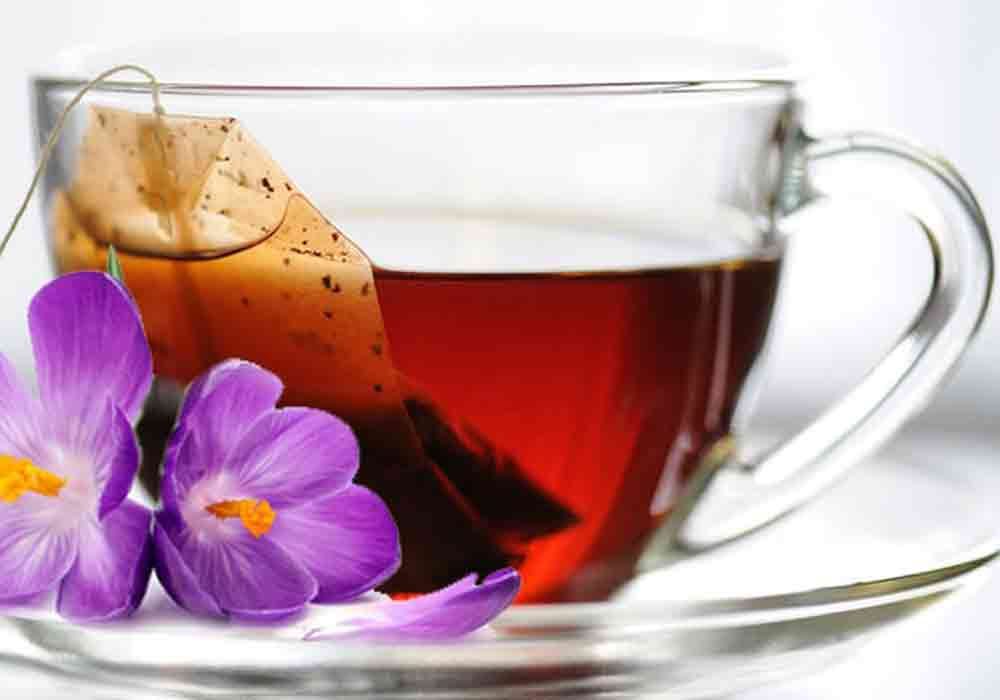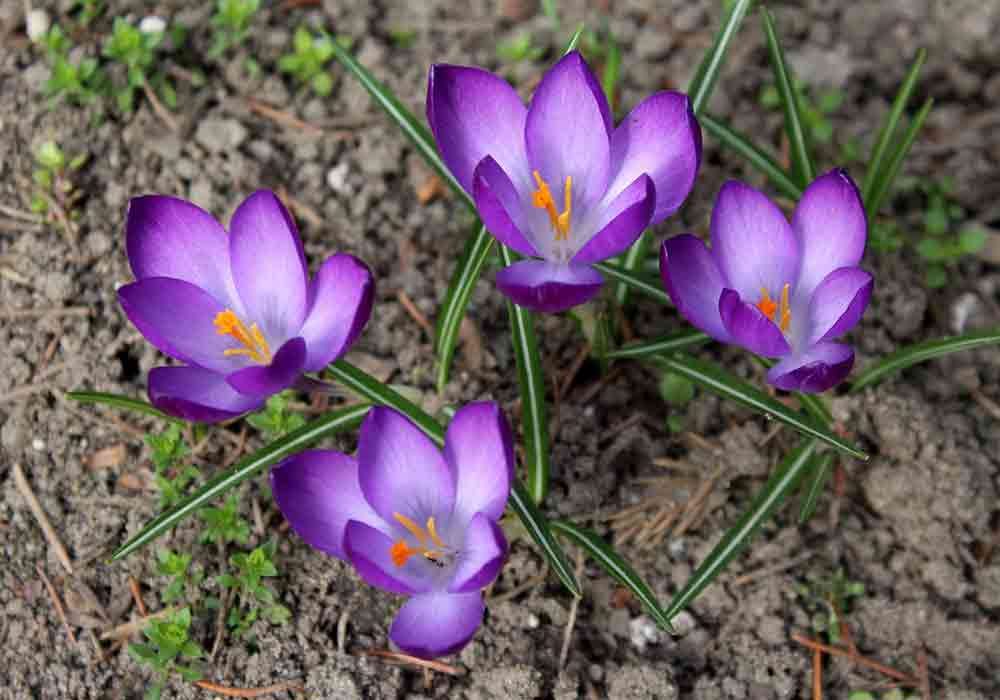


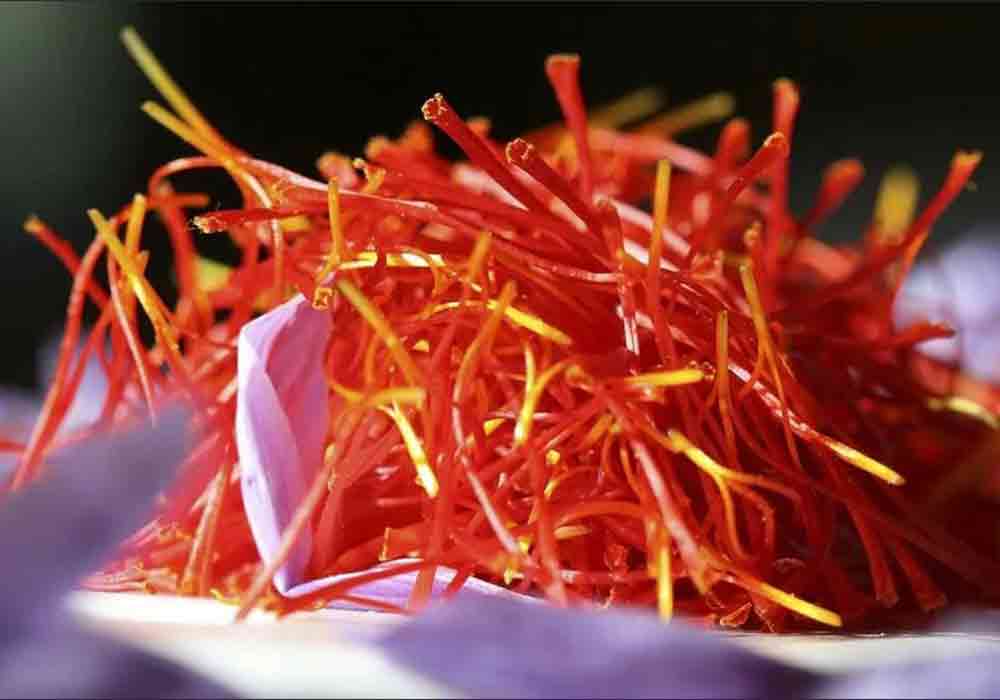
Saffron is a spice derived from the flower of Crocus sativus, commonly known as the saffron crocus. It is known for its distinctive color, flavor, and aroma. Saffron is primarily cultivated for its red stigmas, often referred to as threads, which are collected and dried for use in various culinary and medicinal applications.
Iran is traditionally been one of the largest producers and exporters of saffron in the world.


Contains both red stigmas and some style
Higher quality, with longer and intact threads.
The most common form, consisting of only the red stigmas without the style.
Includes the whole saffron strands, including the stigmas, styles, and sometimes even the yellow floral base.

Enter your mobile number to
Iran exports saffron to a variety of countries around the world. Iranian saffron is highly regarded for its quality, flavor, and color, and it is in demand in various international markets. Some of the major export destinations for Iran’s saffron include:
Spain is a significant importer of Iranian saffron. Saffron is also cultivated in Spain, but Iranian saffron is often valued for its unique characteristics
The UAE, particularly Dubai, serves as a hub for the re-export of goods. Iranian saffron may be processed, packaged, and re-exported to various countries from the UAE.
India is both a consumer and a re-exporter of Iranian saffron. Iranian saffron is used in Indian cuisine and is also re-exported to other countries.
Saffron is a popular spice in Middle Eastern cuisine, and Iran's saffron is in demand in countries like Saudi Arabia.
Iranian saffron has a market in Iraq, where it is used in traditional dishes.
Various European countries, including Italy, France, Germany, and the United Kingdom, import Iranian saffron for culinary purposes. European consumers appreciate the quality and flavor of Iranian saffron.
Besides India, other Asian countries, such as Japan and South Korea, may import Iranian saffron for culinary and medicinal uses.
Iranian saffron is also exported to North American markets, including the United States and Canada, where it is used in gourmet cooking.
Countries in the Middle East, such as Kuwait, Qatar, Bahrain, and Oman, are among the importers of Iranian saffron.
It’s important to note that the export destinations can vary, and the popularity of Iranian saffron in different markets may be influenced by factors such as cultural preferences, culinary traditions, and the perception of quality. Additionally, trade patterns may evolve over time based on market dynamics and geopolitical considerations. For the most up-to-date information on Iran’s saffron exports and their destinations, consulting trade statistics or reports from relevant authorities and trade organizations would be advisable.
Saffron possesses a variety of properties, making it a valuable spice with applications in culinary, medicinal, and cosmetic fields. The properties of saffron are primarily attributed to its chemical constituents. Here are some key properties of saffron:
Saffron imparts a bright yellow to orange color to food and dishes.
Saffron has a unique, slightly bitter taste and a pungent, floral aroma.
It adds color, flavor, and aroma to culinary creations and is a key ingredient in dishes like paella, biryani, and risotto.
Saffron is used in perfumery for its aromatic qualities.
Saffron holds cultural and symbolic importance in various cultures and is often associated with rituals, ceremonies, and religious practices.
It may exhibit potential in inhibiting the growth of certain cancer cells.
Saffron may have benefits for brain health and cognitive function.
Saffron may have mood-improving properties and has been studied as a natural remedy for depressive symptoms.
It may possess properties that help inhibit the growth of microorganisms.
It may help regulate blood sugar levels.
Saffron contains several essential nutrients, including vitamins and minerals.
Saffron contains various bioactive compounds, including crocin, crocetin, safranal, and antioxidants.
When purchasing Iranian saffron, consumers often look for reputable sources to ensure the authenticity and quality of the product. The saffron market is competitive, but Iranian saffron’s longstanding reputation contributes to its popularity worldwide.


Saffron contains various bioactive compounds, including crocin, crocetin, safranal, and antioxidants.

Antioxidant
Saffron has antioxidant properties that may help protect cells from oxidative stress.
Anti-Inflammatory
Some studies suggest anti-inflammatory effects of saffron.
Mood Enhancement
Saffron has been traditionally used for its potential mood-enhancing effects.

To register a saffron export request, enter your mobile number so that we can contact you as soon as possible.

Iran is one of the major saffron-producing countries in the world. The main saffron-producing regions in Iran include Khorasan, Kermanshah, and Isfahan. Among these, Khorasan is particularly renowned for producing some of the finest saffron.
Saffron thrives in specific climatic conditions, and Iran’s climate is well-suited for saffron cultivation. The dry climate, with hot summers and cold winters, contributes to the quality of Iranian saffron.
Iranian saffron comes in different varieties, with each having its unique characteristics. Some well-known varieties include Sargol, Negin, and Pushal. Sargol is characterized by its deep red color and consists of only the red stigmas, while Negin has longer threads. Pushal includes the red stigmas along with parts of the style.
Saffron harvesting is a delicate process, and in Iran, it is often done by hand. The delicate red stigmas are carefully separated from the flowers during the harvest. Afterward, the saffron threads undergo a drying process to preserve their color, flavor, and aroma.
Iranian saffron is renowned for its high quality, strong aroma, and vibrant color. The country has a long history of saffron cultivation, and the expertise passed down through generations contributes to the reputation of Iranian saffron in international markets.
Saffron is a versatile spice used in various culinary dishes, particularly in Middle Eastern, Indian, and Mediterranean cuisines. It is known for its distinct flavor, color, and aroma. Additionally, saffron has been used for its medicinal properties and in the production of perfumes.
Iranian saffron is a major player in the global saffron market. It is exported to numerous countries, and the demand for Iranian saffron is driven by its quality and the unique characteristics attributed to its cultivation methods and climate.
When purchasing Iranian saffron, consumers often look for reputable sources to ensure the authenticity and quality of the product. The saffron market is competitive, but Iranian saffron’s longstanding reputation contributes to its popularity worldwide.